The House Edge: Understanding the Odds
One of the best-kept secrets in the gambling world is the house edge, which refers to the mathematical advantage that the casino has over players in any given game. While the house edge varies by game, it generally ensures that casinos will make a profit in the long run. For instance, in games like blackjack, the house edge can be as low as 0.5% if you play optimally, while in slot machines, it can soar to 10% or higher, making it crucial for players to understand which games offer better odds, including options like $10 neosurf deposit casino . This knowledge can significantly affect your overall gambling experience and financial outcomes.
Many players underestimate this factor, believing that luck is the primary determinant of their success at a casino. However, understanding the house edge can influence your choices significantly. Knowledgeable players tend to gravitate toward games with a lower house edge, thereby improving their chances of winning. This basic yet vital information is often glossed over by casinos, who prefer to keep players focused on the thrill of play rather than the mathematics behind it. By failing to educate themselves on this aspect, players can easily fall into a cycle of loss.
Additionally, casinos employ sophisticated algorithms to analyze player behavior and adjust the games accordingly. This means that even if you’re up temporarily, the odds are still stacked against you over time. Casinos often encourage players to stay longer with free drinks or bonuses, knowing that the longer you play, the higher your chances of losing due to the house edge. By keeping this secret under wraps, casinos maintain their profitability while players chase their dreams of winning big. Understanding the house edge is crucial for any player aiming to make informed decisions while gambling.
The Psychology of Gambling: How Casinos Manipulate Your Mind
Casinos are masters of manipulating the psychological triggers that encourage players to spend more time and money. One key tactic is the use of sensory experiences—bright lights, captivating sounds, and even the way games are configured to evoke excitement. For instance, the sounds of coins clinking and the flashing lights when you win create a sense of euphoria that can easily lead to continued play, often despite the loss of money. This strategic sensory overload is designed to keep players engaged for longer periods, often unaware of their spending. The emotional highs and lows can cloud judgment, making it easier to lose track of time and money.
Moreover, casinos utilize strategic layouts to facilitate easy navigation through the gaming floor. The arrangement of machines and tables is not random; it is meticulously designed to draw players deeper into the casino. By keeping the layout somewhat confusing and disorienting, casinos encourage players to lose track of time and money spent. They want you to feel as if you’re in a different world, far removed from reality, thereby making it easier to indulge in the experience without considering the financial consequences. This design strategy is prevalent in many casinos, highlighting how the environment can impact gambling behavior.

Another psychological tactic employed by casinos is the concept of “near misses.” For example, when playing slot machines, players often experience spins that come close to winning. This phenomenon tricks the brain into thinking that a win is imminent, leading to further play. Such practices exploit cognitive biases and can cause players to gamble more than they originally intended. Understanding these psychological tactics is essential for players who wish to approach gambling with a more informed mindset. Awareness of how these elements work can help players resist impulsive decisions driven by emotions.
Rewards Programs: The Incentives to Keep You Coming Back
Another secret that casinos don’t want you to know is the lure of rewards programs. These are designed to give players something back for their loyalty, such as points that can be exchanged for free play, meals, or even hotel stays. While these programs seem beneficial, they are often structured to keep players coming back while making it difficult to actually earn significant rewards. The more frequently you gamble, the more points you accumulate, but the required levels for meaningful rewards can be dauntingly high. This creates a cycle where players feel motivated to gamble more, often leading to greater financial losses.
For example, a player may earn one point for every dollar spent on slots, but they might need thousands of points to receive a complimentary hotel room. This system encourages players to spend beyond their means, believing that they are working toward a reward that may never materialize in a satisfying way. Additionally, casinos often tweak these programs, adjusting point values or altering reward thresholds to maximize their profits while keeping customers engaged. Players may find themselves caught in a cycle of chasing points rather than enjoying the gaming experience.
Moreover, casinos often offer exclusive VIP programs that can make players feel special or privileged. However, these programs often come with hidden terms and conditions that can be easily overlooked. Many players may be lured into spending more money in hopes of fast-tracking their status, only to find that they need to gamble substantially more than they anticipated to reap the promised benefits. Understanding the pitfalls of these rewards programs can save players from falling into the trap of excessive gambling, allowing them to enjoy their time at the casino without the pressure of chasing after elusive rewards.
The Illusion of Winning: Jackpot Myths and Realities
One of the most pervasive secrets in the casino world is the illusion of winning, particularly when it comes to jackpots. Casinos often play up stories of big winners to create an atmosphere of excitement and possibility. However, the truth is that these big wins are far rarer than advertised. The odds for hitting a large jackpot on a slot machine can be astronomically low, often in the millions to one, yet casinos highlight these rare instances to draw in new players who dream of striking it rich. This marketing tactic fosters unrealistic expectations among players.
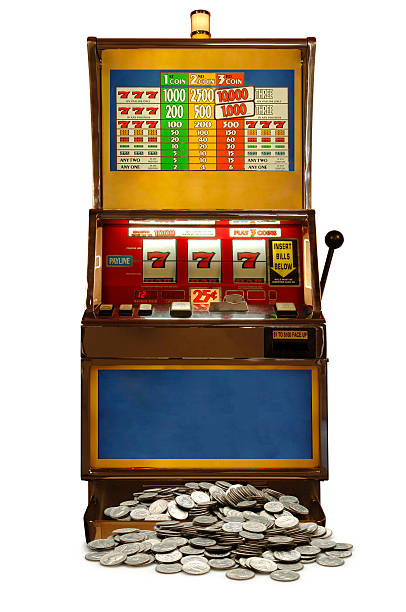
Moreover, many players are unaware that the jackpots advertised are sometimes based on a progressive system, meaning they grow larger as more players participate. This can create the false impression that large wins are more common than they truly are. The marketing techniques used to promote these jackpots can lead players to believe that winning is within reach, encouraging them to spend more time and money in hopes of hitting it big. This deceptive narrative often overshadows the reality of the probabilities involved, making it essential for players to approach such claims with skepticism.
Additionally, the casinos can influence jackpot frequency and payouts through game settings. While there are regulations in place to govern this, the exact mechanics can be shielded from public scrutiny. This lack of transparency allows casinos to maintain control over how often jackpots are hit and the amounts paid out, thus managing players’ expectations and keeping their betting patterns aligned with the casinos’ profitability goals. Understanding these dynamics can help players approach their gaming experience with a more realistic outlook, reducing the chances of disappointment when wins don’t materialize.
Learning from the Secrets: Your Path to Responsible Gambling
Understanding the secrets that casinos typically keep hidden empowers players to make wiser decisions. Knowledge is a powerful tool, particularly in the realm of gambling, where emotion and excitement can easily cloud judgment. By recognizing the mathematical realities of games, psychological tactics, and the nature of rewards programs, players can gain a clearer perspective on their gambling activities. This awareness can directly contribute to more responsible gambling practices and prevent unnecessary financial strain.
It’s essential to set limits before stepping into a casino or logging onto an online platform. Establishing a budget and time limit can prevent players from getting carried away in the thrill of the moment, allowing for a more controlled experience. Understanding that the odds are not in your favor can help temper expectations and avoid the pitfall of chasing losses, which is a common mistake many players make. By approaching gambling with a clear strategy in mind, players can enhance their enjoyment while minimizing the associated risks.
Informed players who recognize the inherent risks of gambling can enjoy the entertainment value of casinos while minimizing financial strain. By engaging critically with the ins and outs of gambling, players can enhance their overall experience while remaining within responsible limits. This proactive approach not only enhances enjoyment but also fosters a healthier relationship with gambling as a whole, ensuring that it remains a fun and entertaining activity rather than a source of stress or anxiety.